
Ramen still means the dollar packet of instant noodles you flood with hot water for a quick lunch. A real bowl has about as much in common with that as a slow-simmered stock has with a bouillon cube dissolved in a mug. It's a dish that Japanese cooks can work on for a dozen hours or more, and it tastes best in good company, around a shared table. So before you reach for another packet, take a look at what this soup really is.
The Four Parts of Every Ramen Bowl
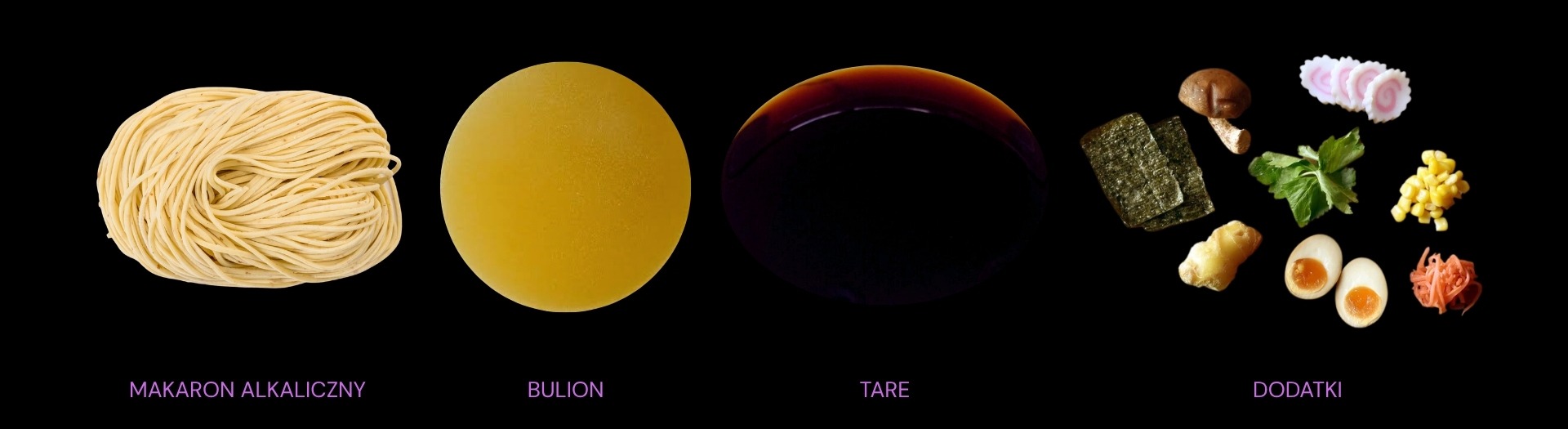
Every bowl of ramen stands on four pillars, and those pillars, not the region or the name on the door, decide what you get.
- Alkaline noodles, made with kansui, which gives them their spring and pale yellow color.
- Broth, the heart of the whole bowl.
- Tare, a concentrated flavor base stirred into the broth right before serving.
- Toppings, arranged across the surface.
Ramen itself traveled to Japan from China, where a similar wheat noodle was already on the table, but Japanese kitchens refined it into the form we know today.
The topping that lands on most bowls is chashu, pork that's marinated and slow-cooked, then sliced thin. Next to it, you'll find an ajitsuke tamago egg with a soft orange yolk, marinated bamboo shoots called menma, a sheet of nori, chopped scallion (negi), crisp bean sprouts, and sesame. Each topping plays its own part: one adds fat, another freshness, another crunch.
Types of Ramen, Sorted by Broth
Toppings can vary from bowl to bowl, but the types of ramen come down mainly to the broth and the tare that seasons it, because that's what gives each bowl its character. There are four classic ramen broths, and each one pulls in a different direction.
Types of ramen broth
Shio
- Base: salt
- Clear and light, distinctly salty
- Pick it when you want the broth itself
Shoyu
- Base: soy sauce
- Darker and deeper, well balanced
- Pick it for your first ramen
Miso
- Base: miso paste from Hokkaido
- Thick and warming, slightly sweet
- Pick it for a cold night
Tonkotsu
- Base: pork bones
- Cloudy and creamy, seriously filling
- Pick it when you're really hungry
The map doesn't end with these four, since there are regional styles and tsukemen, where you dip the noodles into a separate, heavily concentrated broth. Still, the four classic broths are enough to find your way around most ramen menus.
What Makes Ramen Taste So Good?
What all four broths share is umami, that full, savory sensation that's hard to describe and easy to recognize. It comes from long-simmered broth and a handful of Japanese ingredients doing the heavy lifting. Dashi, the base stock made from dried bonito flakes (katsuobushi) and kombu seaweed, brings depth from the very start. Miso paste and soy sauce layer on more.
The fat from the broth adds to the flavor too, carrying the aroma across the bowl and making each spoonful taste fuller than the last. A lot rides on the noodles, too. Cooked al dente, they have real bite and hold onto the chopsticks, and once overcooked, they drag the whole bowl down.
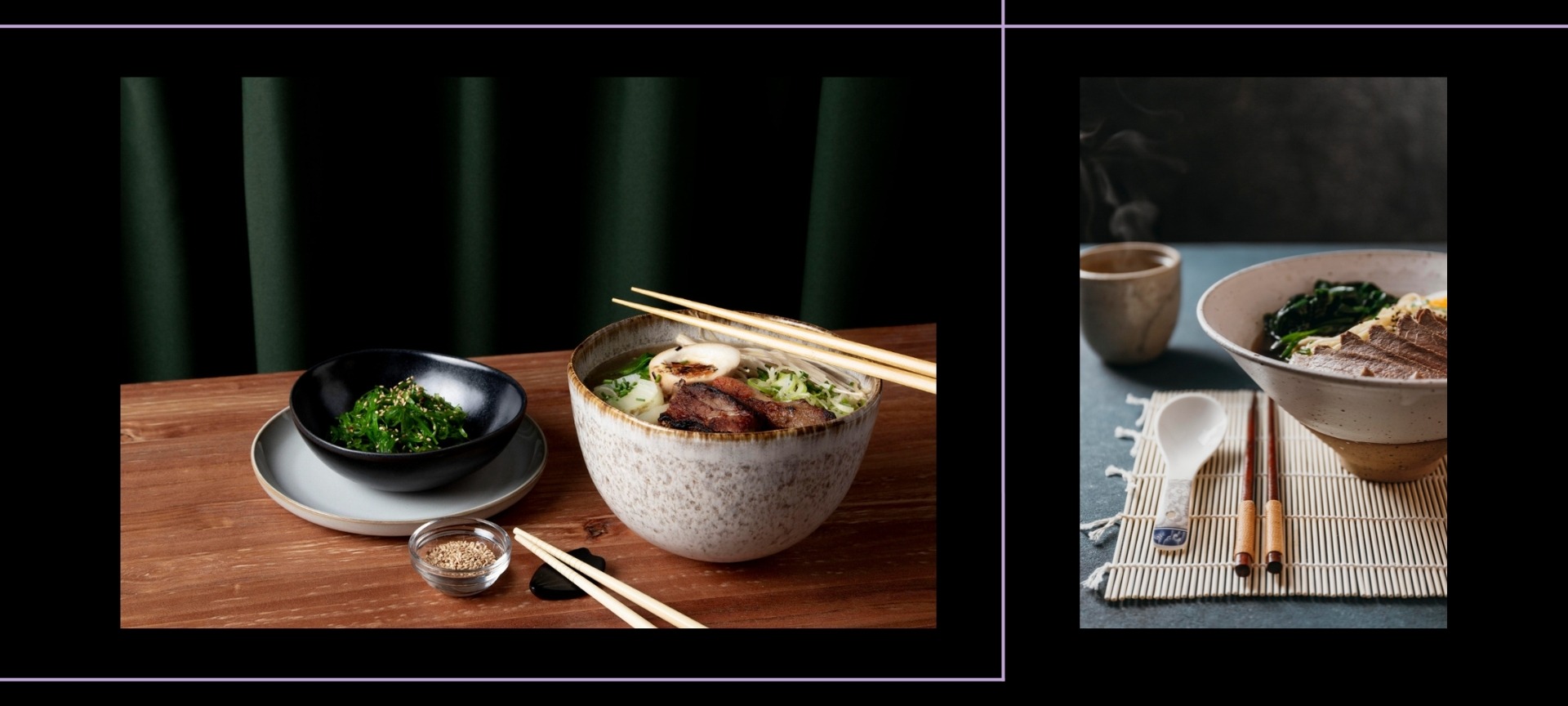
What ramen tastes like keeps changing as you eat. The toppings add a lot here, because each mouthful grabs something different from the bowl. A fatty slice of chashu, fresh scallion, salty nori, and a creamy egg yolk push the flavor in different directions. So the same bowl can taste one way at the start and another by the end.
How to Eat Ramen Without Overthinking the Etiquette?
To catch all these flavors from one bowl, a few simple habits help because eating ramen looks trickier than it is. You use chopsticks for the noodles and toppings, and a flat porcelain spoon called a renge for the broth. You don't have to choose between them, since they work together just fine.
Slurping, which reads as rude here, is completely at home in Japan. Pulling the noodles in with some air cools the hot strands and draws out more aroma, and it comes across as a compliment to the cook. Outside Japan, just match the volume to your company and the setting.
Ramen is meant to be eaten fast, ideally within about fifteen minutes, before the noodles soak up the broth and lose their bite. For the same reason, there's no point in dragging out the meal or saving the bowl for later.
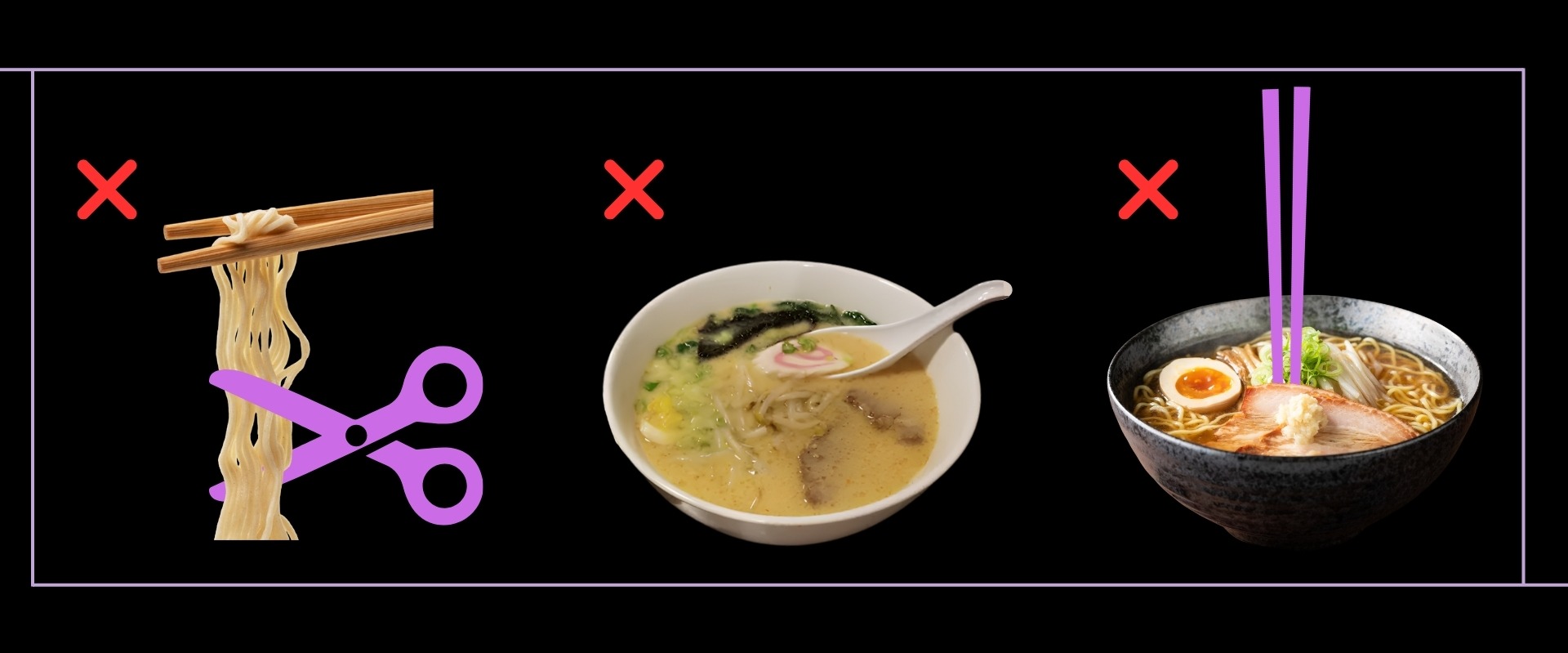
Don't Do This with Ramen:
A few habits can spoil even a good bowl, so it helps to know what to avoid.
- Don't cut the noodles into shorter pieces, since the long strands are part of the fun.
- Don't stir the whole bowl together, since the cook arranged the toppings in a certain order.
- Don't stand your chopsticks upright in the noodles, since in Japanese culture that gesture is tied to funerals.
You can drink the broth to the bottom or leave it, nobody's forcing anything.
Is Ramen Healthy, or Just Filling?
How healthy your ramen turns out depends entirely on what's in the bowl. Fresh ramen made in a kitchen is a different league from the instant packet, which is heavily processed and thin on nutrition. The two barely belong in the same conversation.
Calories climb with the richness of the broth. A light shio usually lands around 450, and a fatty tonkotsu can reach a thousand per bowl. That long-simmered bone broth has its upsides, since it delivers protein, collagen, and B vitamins. There are downsides too, because ramen can run salty, one bowl can come close to a full day's sodium, and thick broths carry a fair amount of saturated fat.
You can work around this without giving up the pleasure. A few simple moves make for a lighter bowl.
- Add more vegetables for fiber and vitamins.
- Go for leaner protein, like tofu or chicken.
- Leave some broth at the bottom, which cuts both the salt and the calories.
A Bowl Meant for Sharing
Ramen is more than the numbers on a calorie chart because it was a shared dish from the start. In Japan, you eat it at the counter of a ramen shop, shoulder to shoulder with other guests, quiet but always next to someone. It's the kind of moment where people sit close and stay a little longer than the meal alone would call for.
There's something to the idea that the best food brings people together at one table. A bowl of hot broth, the steam rising off the noodles, and the conversation that goes with it add up to more than any of those on their own. That's why some places are built around bringing people together, and the food is only half of what they're for.
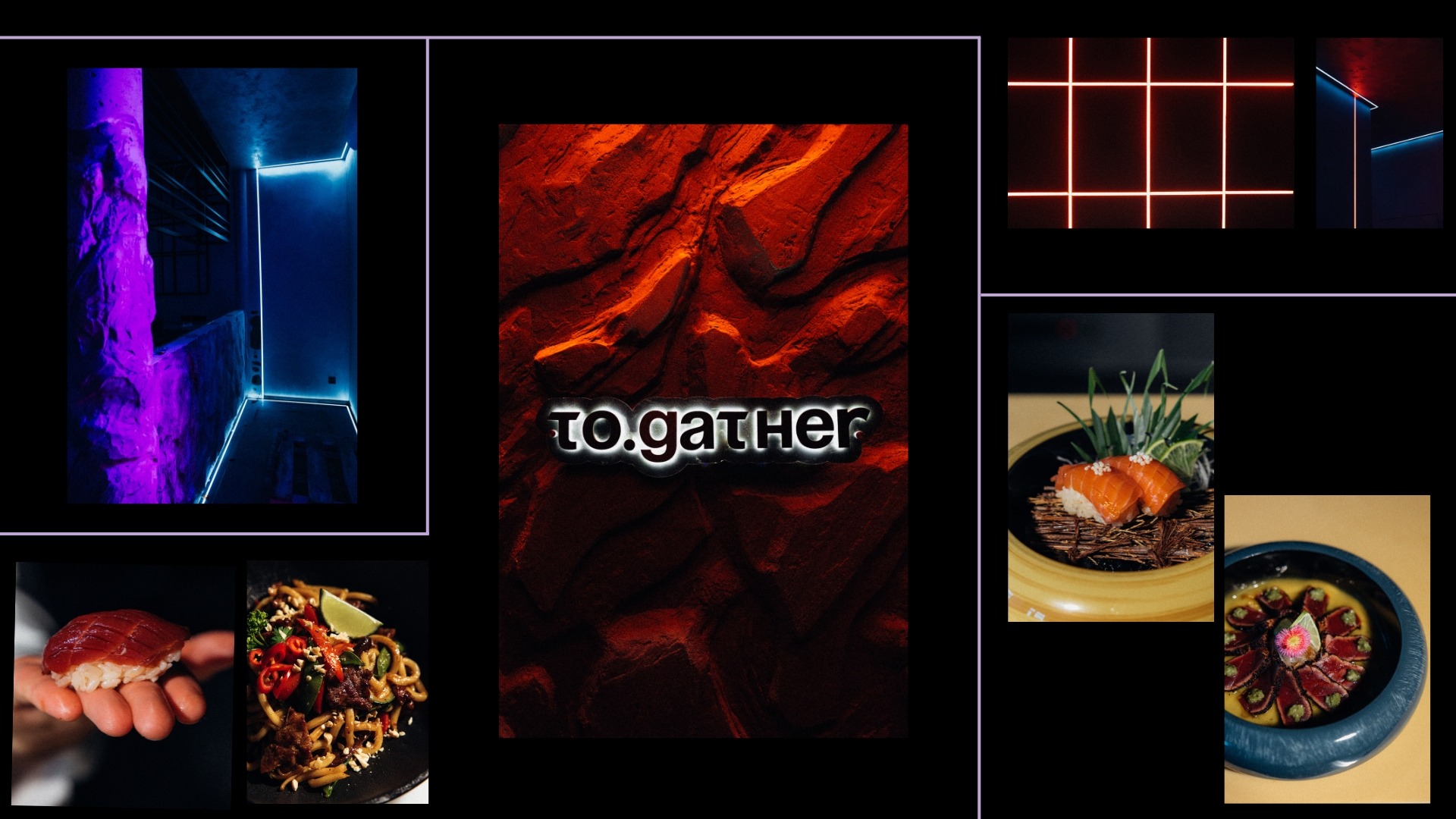
to.gather was built around that idea, and you can hear it in the name. Better be together is the reason we open the doors, because the best moments tend to happen when we're together.
Dashi and Miso on to.gather Plates
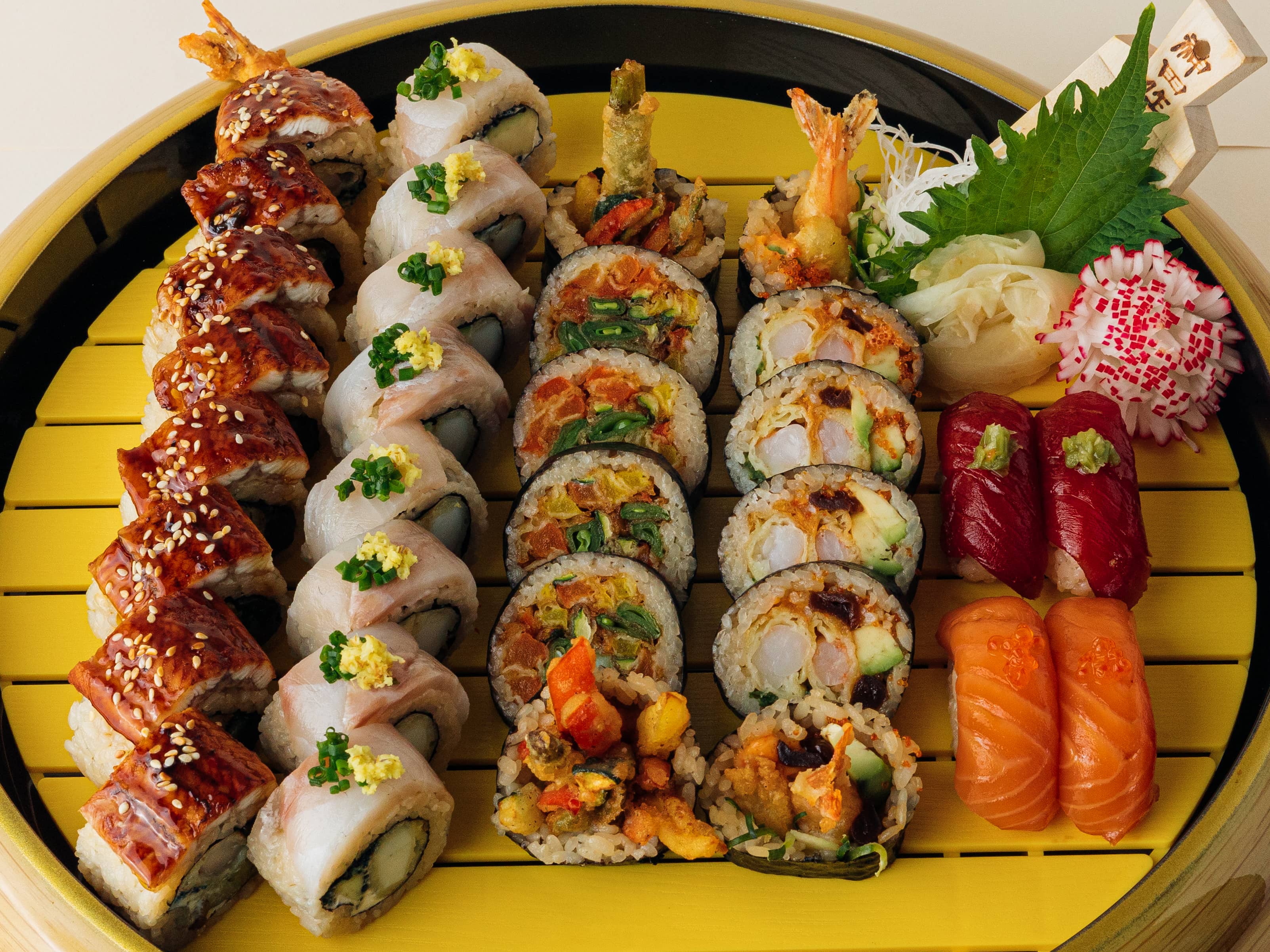
Since we're on the subject of the shared table, let's step into our kitchen for a moment. You won't find ramen on the to.gather menu, but the ingredients that give it all that depth are here every day. We run a Japanese-fusion kitchen with Southeast Asian accents, so dashi, miso, and umami take the lead.
That same base sits behind our soups. We simmer Kaisen Miso Shiru and Miso Shiro in a dashi broth with miso paste, exactly what gives a good ramen its backbone. Noodles are here too, in soba and udon form, like the Black Pepper Beef Udon with roast beef and a peppery sauce. Alongside that, there's sushi, futomaki, and nigiri, and for a change of pace, a Thai Tom Yam on coconut milk.
So if this piece left you craving dashi and miso, you already know which table to look for them at.