.jpg)

A first encounter with sake in Poland usually plays out the same way. A warm cup alongside sushi, a bottle picked by price, and the conclusion that Japanese alcohol runs harsh and earns no second round.
Two assumptions sit behind that impression, and both of them are wrong. The name points at vodka, though distillation never enters the making of sake. The heat looks mandatory, though Japan recognizes ten temperature bands and hot fills one slot among them. The rest of this article takes both apart.
Rice, Water, Mold, and Yeast Inside the Fermentation Tank
Sake comes from rice, water, yeast, and a mold called kōji (Aspergillus oryzae). The mold breaks the starch in the grain down into sugars, the yeast turns those sugars into alcohol, and both processes run side by side in the same vessel. Multiple parallel fermentation appears almost exclusively in East Asian drinks and accounts for the unusually high strength of the finished product.
English menus and shop listings still reach for rice wine, though the label sits awkwardly against the technology. Wine starts from fruit that already holds sugar, while rice has to be converted first, which puts sake closer to brewing beer than to making wine. Calling it vodka misses even wider, since vodka requires a still and sake never sees one.
In Japan, the word sake covers every kind of alcohol, from beer to whisky. The rice-based drink carries its own name there, nihonshu, and that is the term importers and sake sommeliers use across Europe.
Shochu Takes the Japanese Vodka Title Away From Sake
Distillation enters the picture only with shōchū, which is what actually deserves the title of Japanese vodka. Producers make it from rice, barley, sweet potato, buckwheat, and even cane sugar, so the flavor can run anywhere from earthy to grainy. Strength usually starts at 25% and climbs past 40% in undiluted versions.
Japanese bars stock both categories side by side, since sake comes out of fermentation gentle and rice-driven while shōchū comes out of the still sharp and true to its base ingredient.
Sake on a Sushi Menu Means Salmon
The alcohol is written with the character 酒, salmon with the character 鮭, and in Latin script the two look identical.
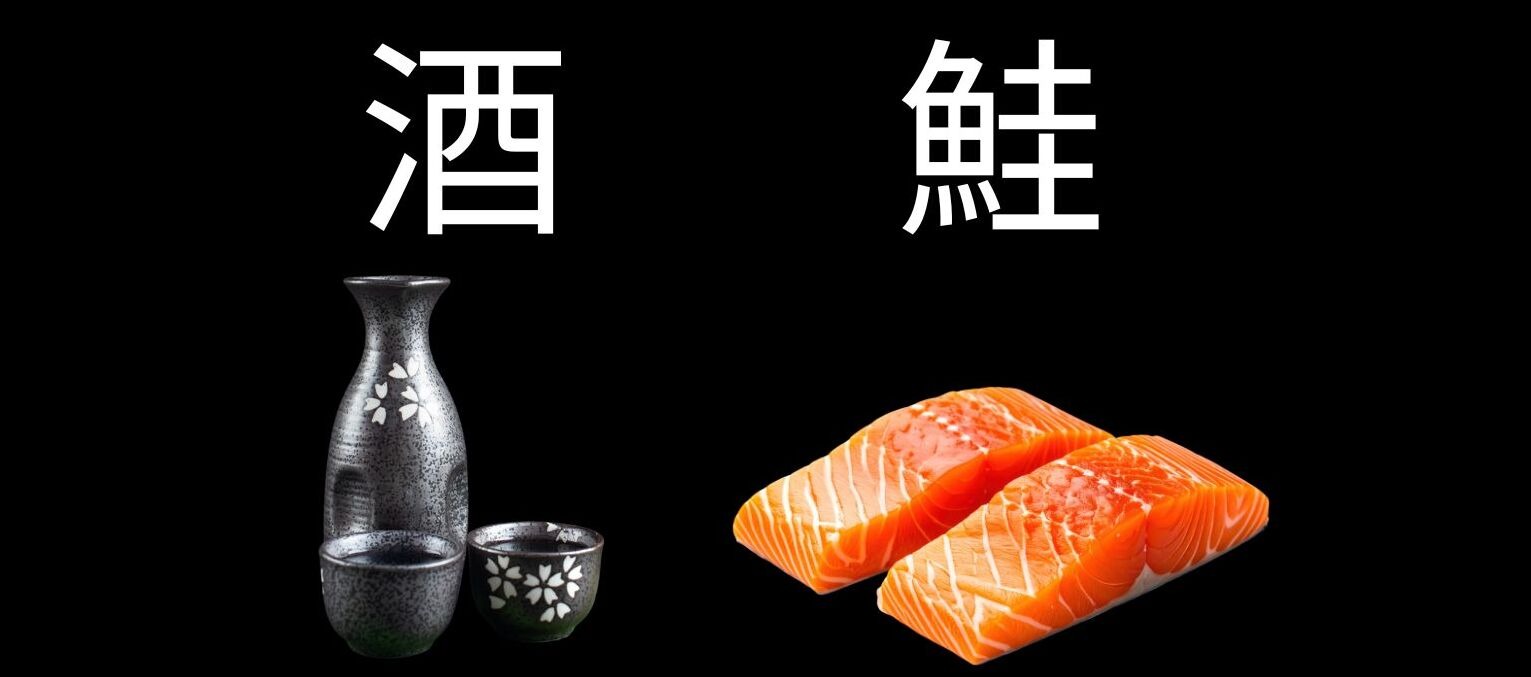
Anytime sake shows up next to a sushi item on a menu, salmon is what arrives. The drink lives in the beverage section.
How Strong Is Sake?
A bottle off the shop shelf lands between 14 and 16%, and that range answers the question of how strong sake is. The whole market runs from 13 to 17%, and at that level the alcohol works as a carrier for flavor rather than the headline.
Strength that high for a fermented drink comes straight out of the process described above. The moromi mash reaches 18 to 20% on its own, the highest figure among all undistilled drinks, because the yeast receives sugar in small doses and keeps working longer than it would in wine. Breweries add clean water in a step called warimizu before bottling and bring the result down to 15 or 16%.
Two categories break the pattern, each in a different direction. Genshu skips the water addition and stays at 18 to 20%, while sparkling versions drop to 5 or 8% and read closer to a light sparkling wine than to classic nihonshu.
Only a side-by-side comparison sets the scale, since dry wine hovers around 12 to 14%, sake around 15%, and shōchū around 25%. Sake goes down smoothly, without any alcoholic burn, so the impression of gentleness gets mistaken for low strength.
How Sake Moved From Ritual to Industry?
The oldest known form of sake carries the name kuchikamizake, meaning sake chewed in the mouth. Rice was chewed, spat into a vessel, and enzymes from saliva set fermentation going. The result came out cloudy and sour at around 7% alcohol. On some islands of Okinawa, the ritual survived into the 1930s.
The breakthrough arrived with kōji mold, which replaced saliva as the enzyme source. Records from the Nara period mention brewing at the imperial court, and production in Buddhist temples and Shinto shrines traces back to the same era. Temples stayed the main brewing centers for several hundred years.
The Engishiki code from 927 sets down recipes and customs, warming the drink among them. Monks' diaries from the Muromachi period document the hiire technique, a pasteurization by heating that Japan practiced long before Pasteur published his work.
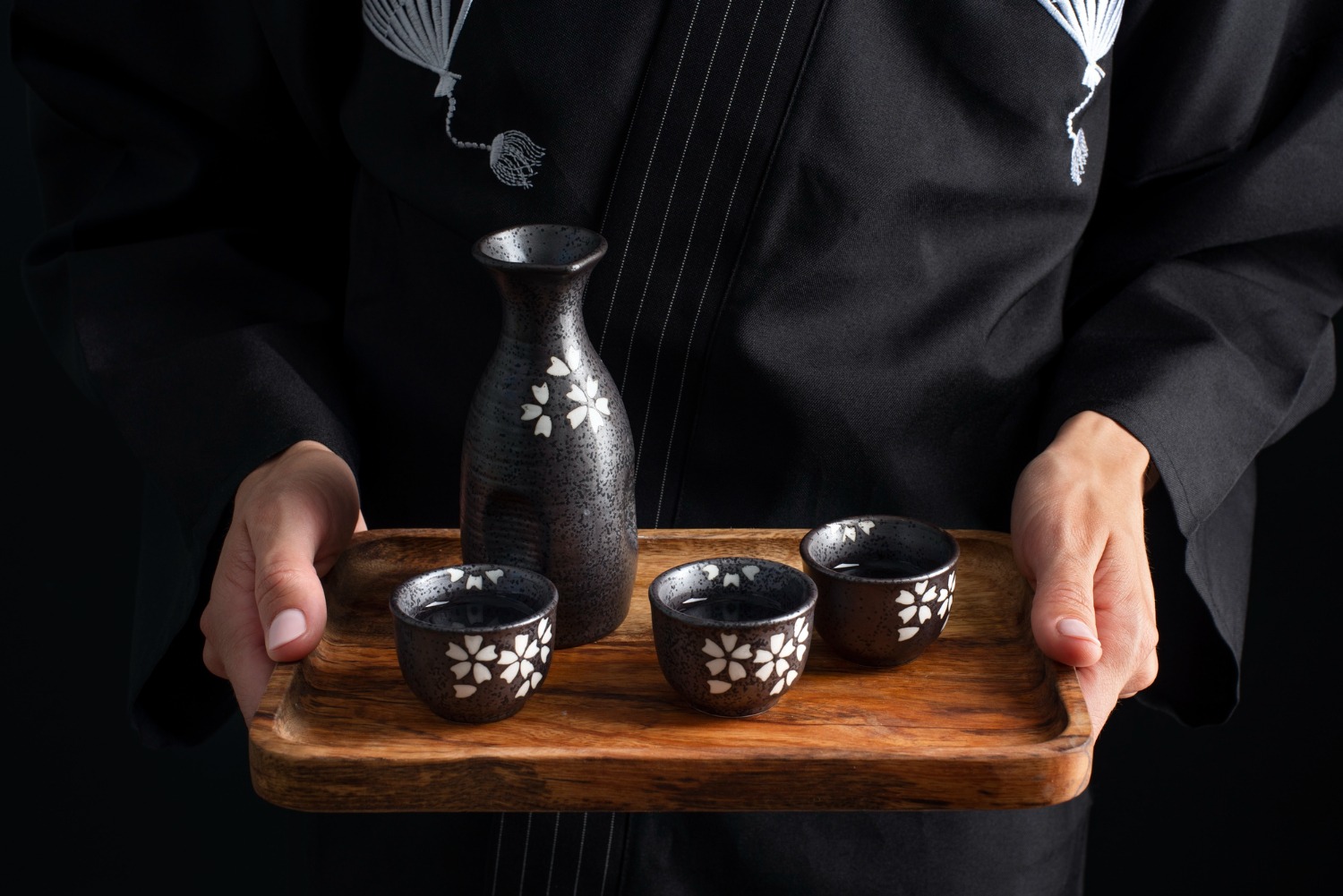
The Edo period shifted the weight of production to Nada near Kobe and Fushimi in Kyoto. Barrels traveled from there to the capital by ship as kudari-zake and carried real prestige. Nada built its reputation on hard, mineral-rich miyamizu water, discovered in the 1830s. Together the two regions account for close to half of Japanese output today.
Reforms of the Meiji era opened brewing to private producers, and thousands of breweries appeared across the country within a short span. Home production was banned during the Russo-Japanese War, mostly for tax reasons. The modern chapter belongs to export, which has been growing in recent years, with Poland starting to show up on the list of European markets.
What Sake Tastes Like?
A thousand years of recipe work produced a drink that the wine vocabulary cannot describe. The first thing separating sake taste from white wine is the presence of umami. High glutamic acid content brings a fullness and a meatiness that a glass of wine does not carry. An absence of tannins and iron keeps sake from turning metallic against fish.
Acidity runs lower than in wine, so the drink rarely comes across as sharp. On the nose, expect melon, green apple, banana, rice, and mineral notes. Fruitiness in ginjō styles comes from esters formed during cold fermentation, known as ginjō-ka. No fruit and no flavoring ever enters the bottle.
Impressions run from lightly sweet to firmly dry, with plenty of steps in between. Japanese specialists sort bottles along two axes, aroma intensity and body, instead of splitting them by color the way wine gets split.
Nihonshudo and Acidity
Nihonshudo, also known as SMV, measures the density of the drink. Negative values point to sweeter and rounder sake, positive values to drier and lighter, and roughly anything from −1.4 to +1.4 counts as neutral.
That number settles nothing on its own, because acidity sits next to it, usually somewhere between 1.2 and 1.8. A higher figure can make sake that looks sweet on paper taste dry. Read either one alone, and it will mislead you.
Sorting the Types of Sake Starts With the Grain
The classification rests on seimai buai, the percentage of the grain left after polishing. A lower number means more outer layers removed and a cleaner, more aromatic profile. The second criterion is whether distilled alcohol has been added. Bottles labeled junmai contain nothing but rice and water.
Here are the most common types of sake, running from the plainest to the most refined.
- Junmai. Rice, water, kōji, and yeast only. Full and rice-forward with clear umami. Handles warming better than anything else on this list.
- Honjōzō. A small addition of distilled alcohol that lifts aroma without raising strength. Lighter and cleaner than junmai, good alongside fried food.
- Ginjō. Seimai buai of 60% or lower, cold fermentation, fruity nose. Serve it chilled.
- Daiginjō. Seimai buai below 50%, the most refined category, floral and delicate aromas. Cold as well.
- Nigori. Barely filtered, milky, with rice sediment. Creamy and sweeter, a solid entry point for anyone who avoids dry drinks.
- Namazake. Unpasteurized, fresh, alive. Needs a refrigerator and a short shelf life.
- Koshu. Aged for years, amber, with honey and nut notes. Closer to sherry than to classic sake.
- Sparkling. Between 5 and 8%, fizzy, showing up in bars more and more often.
When to Serve Sake Warm and When to Chill It?
Temperature rearranges the same drink more than any other single variable. Warmth smooths acidity, opens umami, and rounds the texture. Cold keeps aromas in check, sharpens freshness, and tightens the structure. The Japanese named all ten bands separately, six of them on the warm side.
Sake serving temperatures
Yukihie
5°C / 41°F — Very cold, aromas muted
Hanabie
10°C / 50°F — Fresh and clean, the classic for ginjō
Suzuhie
15°C / 59°F — Cool, structure clearly drawn, good for junmai ginjō
Hiya
20°C / 68°F — Neither chilled nor warmed, the full picture of the bottle
Hinatakan
30°C / 86°F — Barely warm, acidity comes forward
Hitohada-kan
35°C / 95°F — Skin temperature, rice sweetness in front
Nurukan
40°C / 104°F — The most popular band, aroma at its richest
Jōkan
45°C / 113°F — Tighter and drier in profile
Atsukan
50°C / 122°F — Sharp, clean finish
Tobikirikan
55°C / 131°F — The top band, reserved for sturdy junmai
With styles that carry body and firm structure, serving hot sake makes the most sense. Junmai, honjōzō, and bottles brewed by the kimoto and yamahai methods all gain between 40 and 50°C, since their acidity softens and turns round.
A Water Bath Instead of the Microwave
The traditional warming method is called yusen and works through a water bath. Bring water to a boil, take it off the heat, lower a tokkuri carafe into about half its height, and wait. Two to three minutes gets you nurukan, four to five gets you atsukan. Covering the neck keeps the aroma from escaping.
The microwave saves time and ruins the effect, because it heats in spots. Part of the liquid boils, part stays cold, alcohol escapes in bursts, and what lands in the cup is sharp on the nose and flat on the palate.
Bottles That Should Never Be Heated
Ginjō and daiginjō lose exactly what you paid for once they are warmed. The esters behind their fruity aromas evaporate around 40°C and never return as the liquid cools. Namazake behaves the same way and gives up the freshness the whole category rests on.
The reputation of hot sake in the West has a fairly unflattering source. Heating masked the faults of cheap bottles for years, since temperature covers raw alcohol and an unfinished profile. With a good bottle, warming becomes a flavor decision. With a weak one, it works as a rescue.
What to Put Next to the Glass?
Sake pairs with food on different terms than wine does. Low acidity together with the composition described above keeps the drink from covering fish or delicate textures. A month of fermentation at 11 to 13°C leaves sake with roughly twice the amino acids found in wine, and those amino acids meet the ones in the dish and push umami up on both sides.
The combinations below hold up consistently across most bottles.
- Sushi, sashimi, tartares. Light junmai ginjō or dry honjōzō, well chilled. Aromatic daiginjō can bury the flavor of the fish.
- Tempura, karaage, anything fried. Dry honjōzō or junmai. Clears the palate between bites and cuts through fat.
- Grilled fish, miso-glazed salmon. Junmai served around nurukan. The warmth pulls in the same direction as the smoke off the grill.
- Beef tataki, soba with meat, yakisoba. Fuller junmai, or yamahai with its higher acidity.
- Aged cheese, mushrooms, tomatoes. A surprising match built on the same glutamate chemistry.
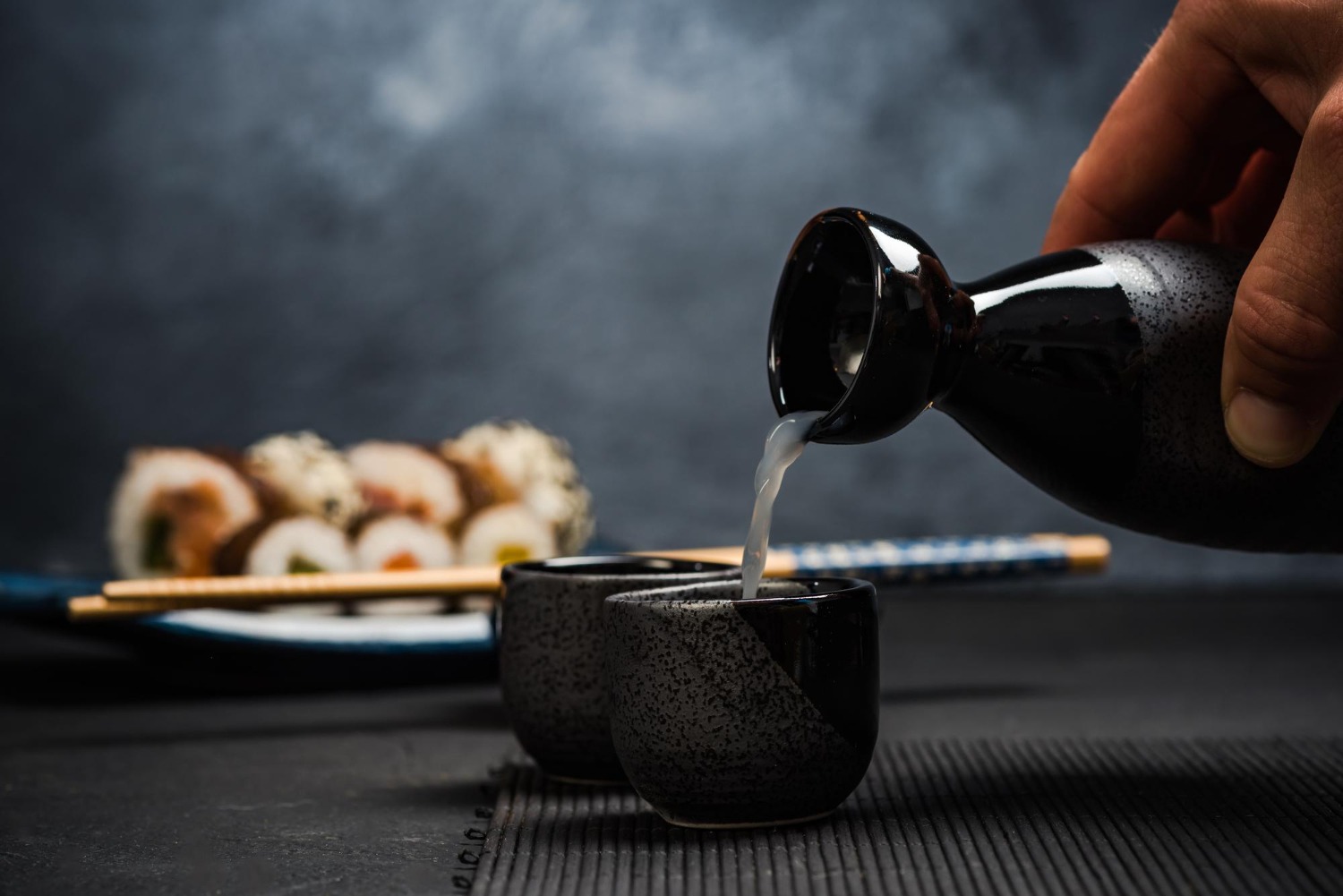
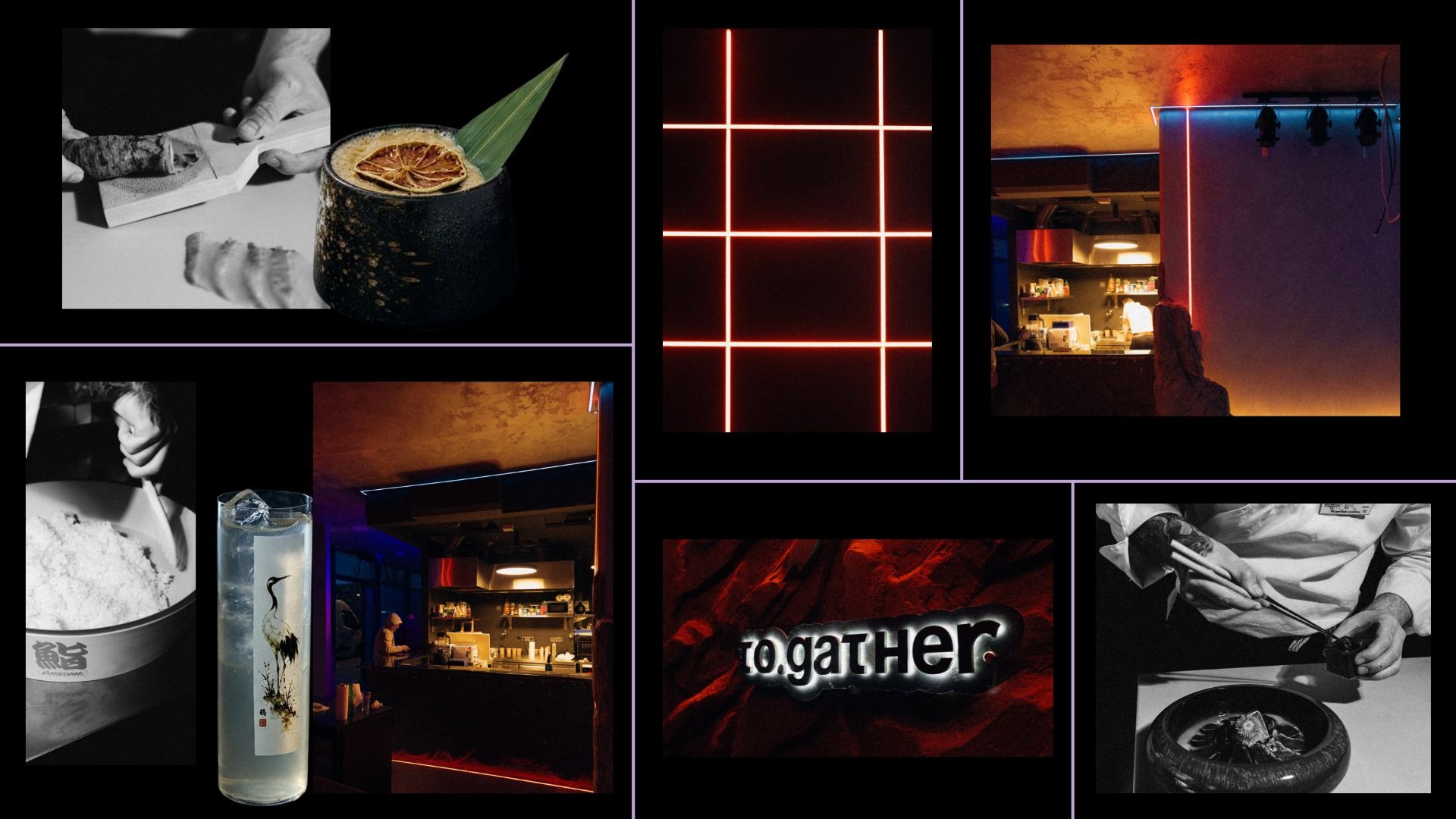
The menu at to.gather sits squarely on these categories, from raw through fried to grilled. Salmon tartare with avocado and masago, bluefin tuna served tataki style, panko shrimp, karaage with spicy mayo, soba with beef in yakisoba sauce, and salmon marinated in miso yuzu with katsuobushi. The Japanese restaurant in Gdańsk on Stępkarska builds its drinks list around that profile.
Sake Behind the Bar
Bartenders reach for sake for three reasons, each tied to a different property. Fifteen percent gives a base that never crushes the other ingredients, umami brings depth without any sugar, and the smooth texture leaves no astringent finish. A sake-based cocktail drinks lighter than the same idea built on gin or vodka.
The directions that work are citrus, cucumber, shiso, yuzu, tea, and dry vermouths. A saketini swaps out part of the spirit base, a highball with sake and soda water performs as an aperitif, and stone fruit sits well with nigori.
In Poland, the first encounter with this drink happens at a bar more often than with a bottle from a store. The sake cocktails on the to.gather list are designed around color and glassware, so appearance registers first, and the rice base underneath comes second.
Sake Service From Carafe to Toast
A bottle ordered to the table usually arrives with a tokkuri carafe and small ochoko cups. Thick ceramic holds temperature, which matters once the drink is served warm. For ginjō and daiginjō, a white wine glass shows up more and more often, since a wide bowl reveals aroma better than a cup.
The standard pour is called ichi-gō and measures 180 ml. That is what a typical carafe holds and what usually gets ordered for two people at a table.
Bottle sizes were calculated from the same unit, so the 720 ml retail standard is a yon-gō-bin, literally four gō, and the 1.8 liter restaurant format goes by isshō-bin. A Japanese measure from centuries ago still decides what stands on the shelf.
Pouring follows a rule that separates Japan from Europe and comes down to a single gesture. You fill the cups of the people around you, and someone else fills yours. The toast is kanpai.
Your First Bottle Without the Letdown
The prefecture on the label gives away the style faster than the brewery name does. Niigata built its reputation on the tanrei karakuchi profile, light and dry, which comes from very soft snowmelt water and slow fermentation in the cold. Nada near Kobe runs the other way, since the hard miyamizu water mentioned earlier yields full, powerful sake known as otokozake. Fushimi works with soft water and is known for the gentler, sweeter onnazake.
The second piece of label information is the bottling date, written 製造年月 in Japanese. Sake does not mature in the bottle the way wine does, the koshu category aside, so a vintage adds nothing and a bottle from a few months ago will nearly always beat a two-year-old one.
In a restaurant, name the temperature rather than asking for warm or cold. A request for nurukan lands on a specific 40°C and hanabie on 10°C, which hands the staff an instruction instead of a guess. Five degrees of difference registers in the cup more clearly than most people expect.
For a first purchase, look for junmai ginjō in the 720 ml format from the middle of the price range. The category is fruity and gentle, the barrier to entry is low, and a smaller bottle will not go stale before you finish it.